When a property can’t rely on gravity alone to move wastewater, a pumping station becomes essential. These systems play a vital role in modern wastewater management, ensuring that domestic and commercial drainage networks run smoothly and efficiently. Across Yorkshire, more homes, businesses, and developments depend on sewage pumping stations to transport waste safely, especially in low-lying areas or sites built below the main sewer line.
DMI Draincare & Groundworks installs and maintains pumping stations to the highest industry standards, helping our clients keep their drainage systems running reliably year-round.
What Is a Pumping Station?
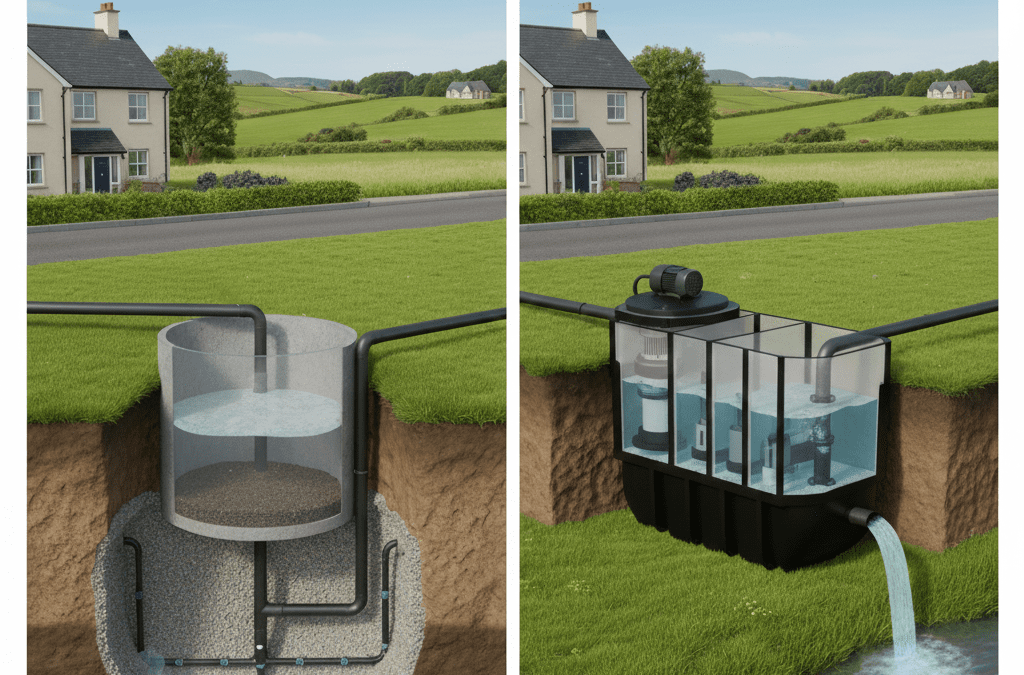
A pumping station (also known as a sewage pump station) is an underground system that collects and pumps wastewater from lower to higher ground when gravity flow isn’t possible.
Inside the station, submersible pumps, float switches, and control panels work together to monitor water levels and automatically move waste to a sewer network, sewage treatment plant, or septic tank.
This makes pumping stations an integral part of both domestic drainage systems and large commercial or municipal wastewater infrastructures.
Why Are Pumping Stations Needed?
Not all properties have ideal topography. When a home or site sits below the level of the main sewer or soakaway, gravity drainage alone won’t be enough. Thats where pumping stations step in.
Common situations that require a pumping station:
- Basements or extensions below sewer level
- New builds in low-lying areas
- Commercial or industrial sites with large wastewater volumes
- Remote rural properties connected to sewage treatment plants
Without a pumping station, wastewater could back up, causing odours, blockages, or even flooding.
How Do Pumping Stations Work?
- Collection chamber: Wastewater from drains or toilets flows into the chamber.
- Float switches: These sensors detect when the liquid reaches a certain level.
- Activation: Once triggered, the pumps automatically switch on.
- Pumping: Wastewater is pushed through a pressurised pipe to a higher point, where gravity can take over.
- Automatic shut-off: When the chamber empties, the system powers down until the next cycle.
This simple yet highly efficient process keeps flow continuous, even in challenging terrain.
Key Components of a Pumping Station
- Submersible pumps heavy-duty pumps designed to handle raw sewage and wastewater.
- Non-return valves prevent backflow into the chamber.
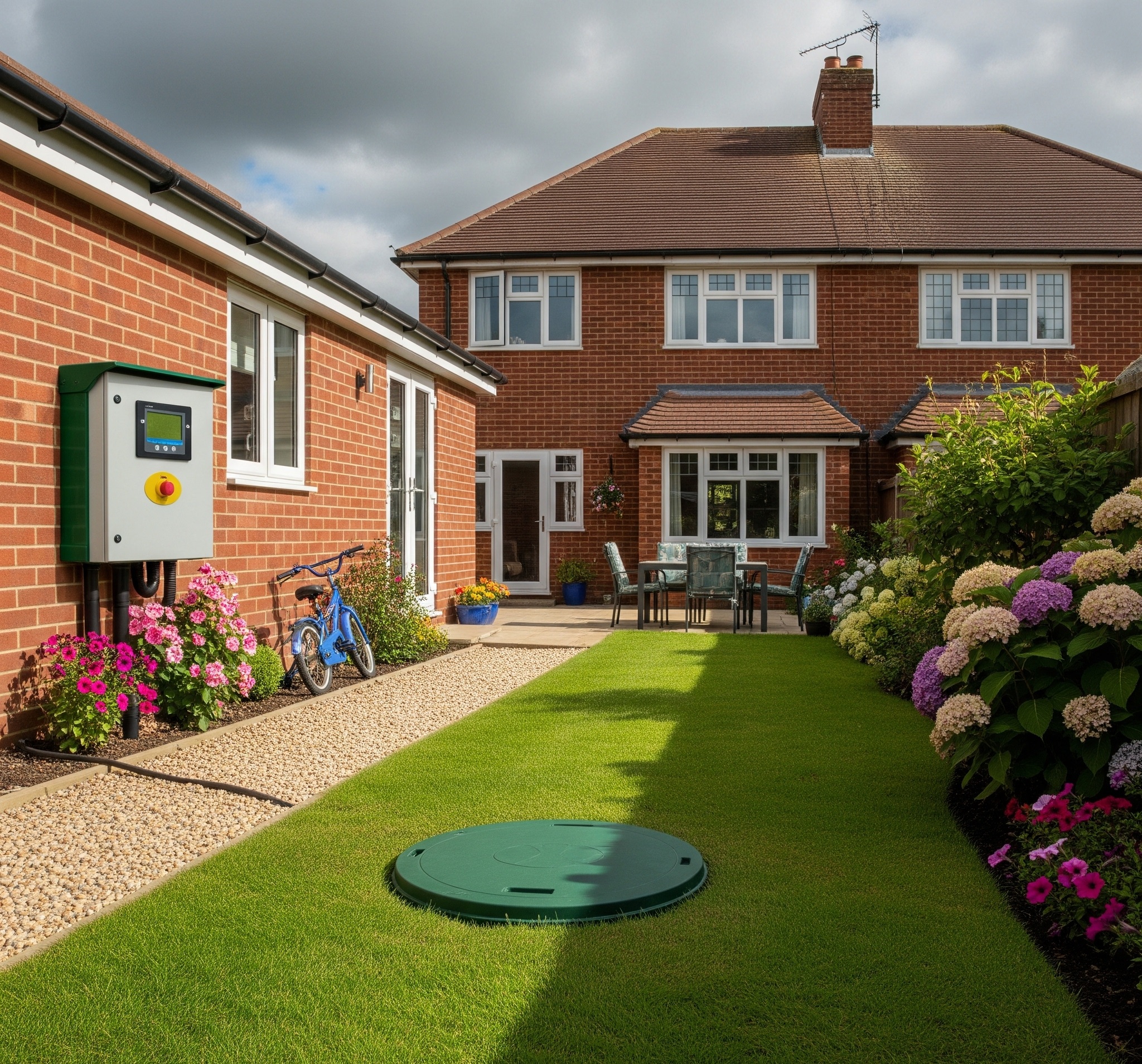
- Control panels monitor performance and alert users to faults.
- Float switches trigger pumping cycles based on fluid levels.
- Ventilation systems reduce gas build-up and odours.
High-quality components reduce the risk of breakdowns and extend the life of the system, which is why professional installation and maintenance are essential.
Benefits of Installing a Pumping Station
- Reliable wastewater movement even in flat or low-lying areas.
- Reduces flooding and blockages by maintaining steady flow.
- Fully automated operation, requiring minimal user input.
- Customisable capacity, from single homes to commercial estates.
- Compatible with septic tanks, treatment plants, and mains sewers.
If you are unsure whether a pumping station is right for your site, our engineers can carry out a drainage inspection and provide a tailored recommendation.
Maintenance and Servicing
Like all drainage systems, pumping stations need regular maintenance to stay efficient and compliant.
DMI Draincare & Groundworks offers complete drainage maintenance services including:
- Routine inspection and cleaning
- Pump performance testing
- Replacement of worn parts
- Emergency breakdown response
A neglected pumping station can lead to electrical failures, overflow, or contamination, issues that are costly and disruptive. Preventive care ensures long-term reliability and compliance with environmental regulations.
Integration with Sewage Treatment Plants
Modern wastewater systems often combine pumping stations with treatment plants.
The pumping station moves waste to the treatment unit, where its aerated, filtered, and purified before safe discharge into the environment.
This setup is ideal for rural properties, new developments, and sites not connected to mains sewers, ensuring complete and eco-friendly waste management.
Professional Pumping Station Installation in Yorkshire
We handle every stage of the process: from groundworks and excavation to installation, connection, and commissioning.
Our groundworks team ensures a stable base and precise alignment, while our drainage installation experts take care of all fittings and flow testing.
We cover:
- Selby
- York
- Goole
- Across Yorkshire and surrounding areas
Why Choose DMI Draincare & Groundworks?
- Trusted local specialists with years of experience
- 24/7 emergency services
- Fully certified and insured engineers
- High-quality, long-life materials and components
- Honest, transparent quotes
Our goal is to deliver reliable, efficient, and environmentally responsible wastewater systems tailored to your property’s needs.
Contact Us
Looking for expert advice or installation of a sewage pumping station in Yorkshire?
Call us: 01757 429296
Out of Hours: 07947978854
Email: info@dmidraincareandgroundworks.co.uk
Or request a free quote via our contact page.
FAQ: Pumping Stations and Wastewater Systems
How often should a pumping station be serviced?
At least once a year, or more frequently for high-use systems.
Can a pumping station handle rainwater?
It depends on design. Wastewater systems should remain separate from surface water drainage.
What happens if a pump fails?
Most modern stations include dual pumps for backup. Our team offers emergency repairs if both fail.
Do I need planning permission for a pumping station?
Usually not, but installations must meet Building Regulations and Environment Agency standards.