If your property isn’t connected to the mains sewer, you’ll need an independent wastewater system. For many homes and businesses across Yorkshire, that means choosing between a septic tank vs sewage treatment plant.
Both manage waste safely, but they work differently and have separate maintenance and environmental requirements. Understanding the differences can help you choose the most efficient, long-term solution for your property.
DMI Draincare & Groundworks installs, maintains, and repairs both systems across Selby, York, and surrounding areas, always to Environment Agency standards.
What Is a Septic Tank?
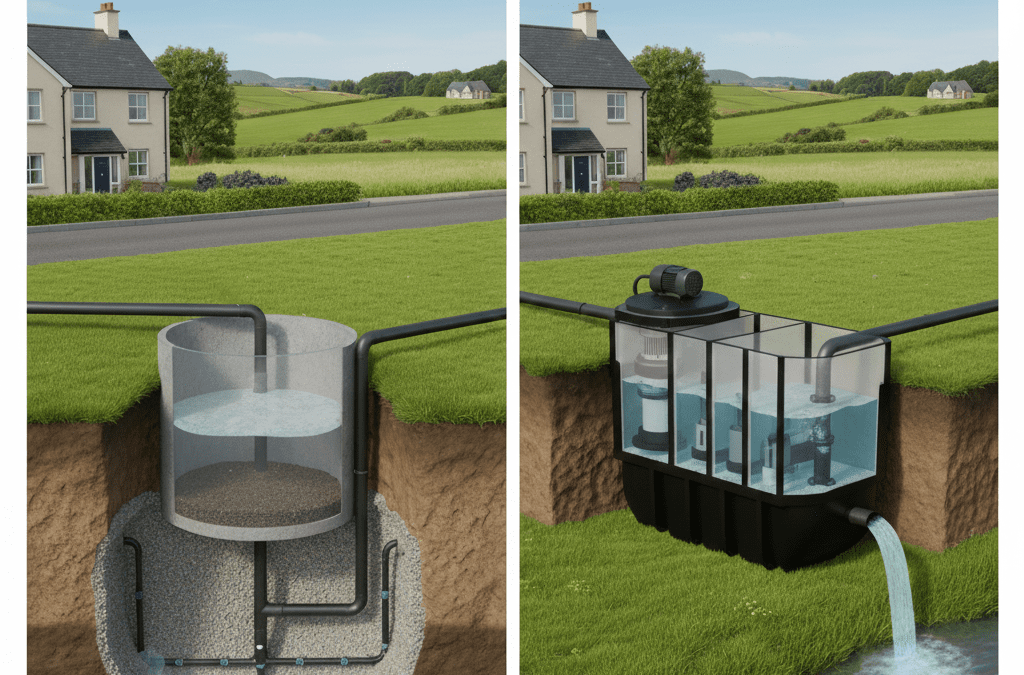
A septic tank is a sealed underground chamber that separates solids from wastewater. Natural bacteria break down organic matter, while liquid effluent flows into a soakaway or land drain for safe ground dispersion.
Benefits of Septic Tanks
- Low running costs: Minimal energy use and simple construction.
- Durability: Can last decades with proper maintenance.
- Simplicity: No mechanical parts or electrical components.
Drawbacks
- Limited treatment: Wastewater is only partially treated.
- Regular emptying required: Solids must be removed by a licensed contractor.
- Environmental restrictions: Some areas no longer allow soakaway discharge from septic tanks unless treatment levels meet current regulations.
What Is a Sewage Treatment Plant?
A sewage treatment plant works like a mini-version of a mains treatment facility. It aerates wastewater to encourage bacterial growth, breaking down solids more completely before releasing clean effluent.
You can learn more about these systems on our pumping station and sewage treatment plant page.
Benefits of Sewage Treatment Plants
- High treatment efficiency: Produces clear, odourless effluent safe to discharge to ditches or watercourses.
- Environmentally compliant: Meets all modern discharge regulations (BS EN 12566-3).
- Long-term reliability: With regular servicing, they can operate efficiently for 20+ years.
Drawbacks
- Higher initial cost: Installation and equipment are more complex.
- Requires power: Aeration relies on electricity.
- Maintenance needed: Regular servicing is essential to keep bacteria active.
Which System Is Best for You?
The right choice depends on your property type, location, and usage.
- Rural homes with good soil drainage often benefit from septic tanks, especially where soakaways can disperse effluent safely.
- Properties with limited drainage space or environmental restrictions usually require a sewage treatment plant.
- Commercial sites and larger households tend to favour treatment plants for higher capacity and compliance.
Our experienced team can perform a site assessment to determine which option best suits your layout and ground conditions.
Installation and Maintenance Considerations
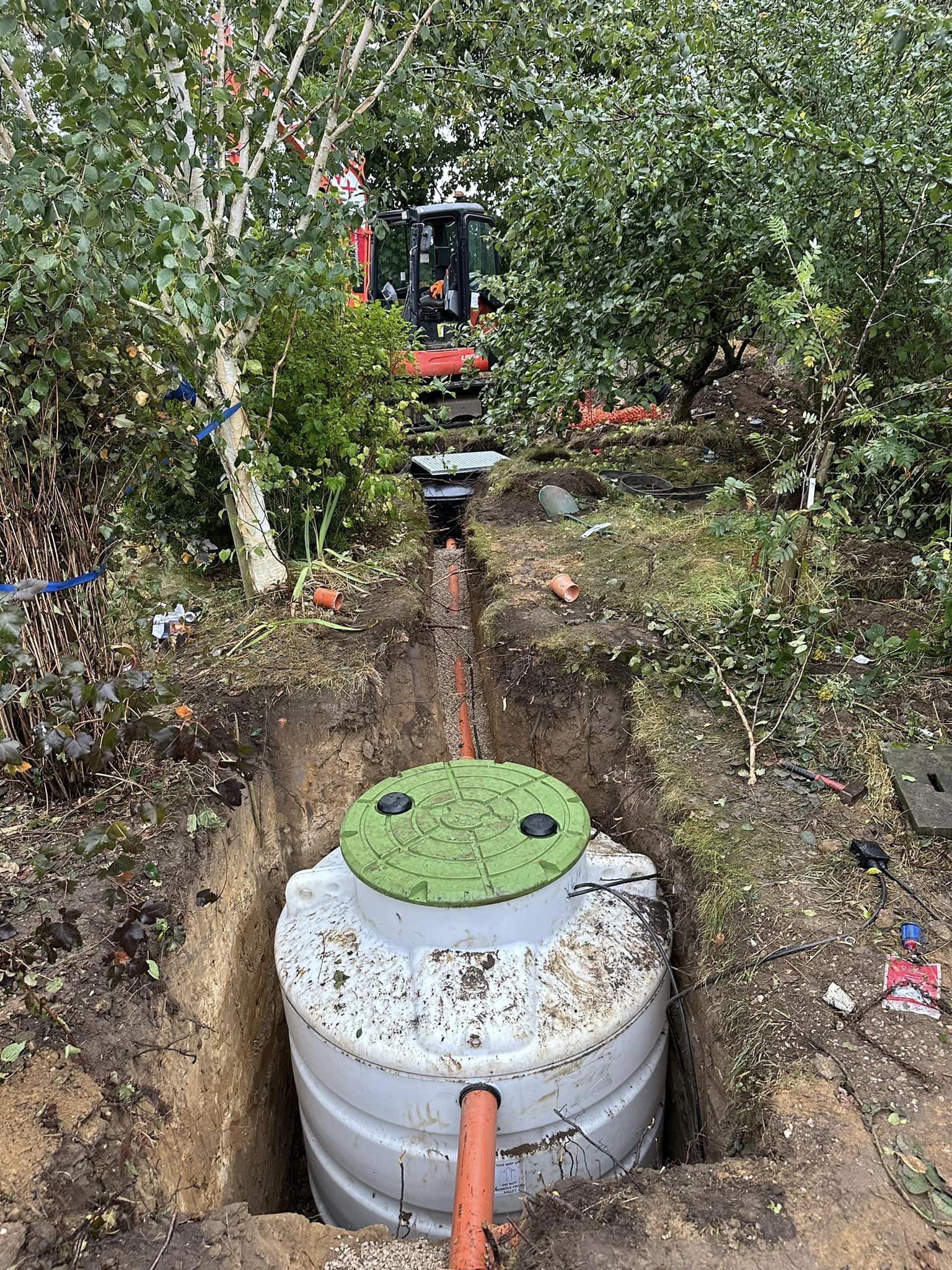
Whether you choose a septic tank or a sewage treatment plant, proper design and installation are vital. We handle everything from drainage installations and groundworks to aftercare.
We also provide:
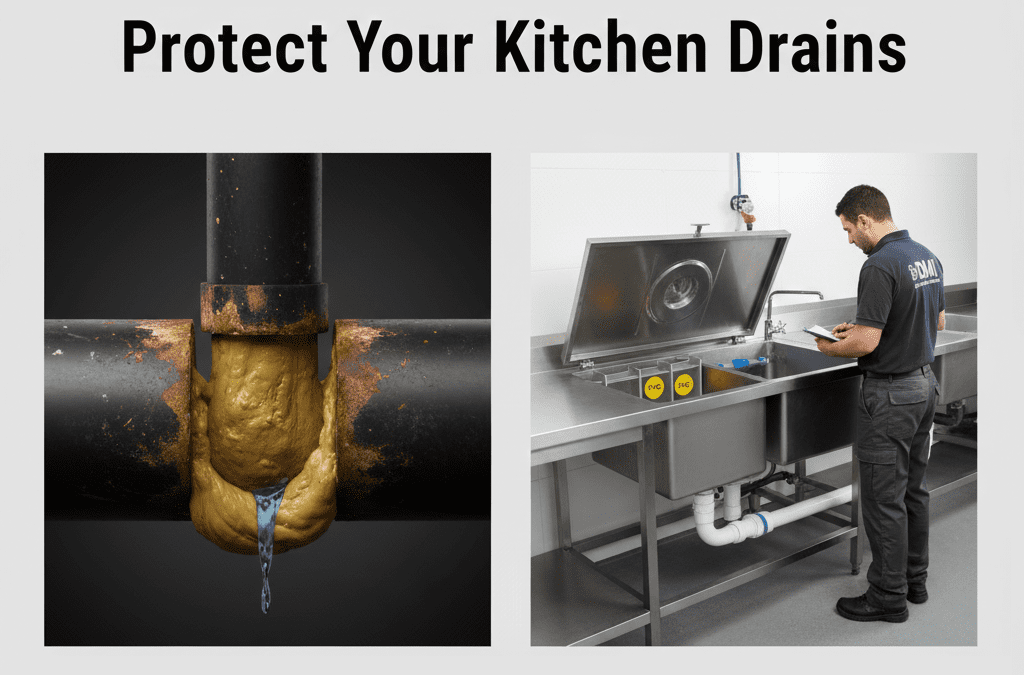
- CCTV drain inspections to assess existing systems
- Drain repairs for cracked or leaking tanks
- Emergency drainage services if your system overflows or blocks
Legal and Environmental Regulations
The Environment Agency has strict rules for sewage discharge from off-mains systems.
Since 2020, septic tanks can no longer discharge directly into surface water. You may need to upgrade to a sewage treatment plant or add a compliant soakaway system.
Our engineers stay up to date with all UK standards, ensuring your installation meets every requirement for Yorkshire properties.
Cost Comparison
| Feature | Septic Tank | Sewage Treatment Plant |
|---|---|---|
| Initial Cost | Lower | Higher |
| Running Costs | Minimal | Moderate (uses power) |
| Treatment Quality | Basic | High |
| Servicing | Periodic emptying | Annual maintenance |
| Regulation Compliance | Limited | Fully compliant |
While a septic tank may seem cheaper upfront, a sewage treatment plant often saves money long-term through reduced emptying costs and legal compliance.
Why Choose DMI Draincare & Groundworks?
- Local specialists covering Selby, York, Goole, and across Yorkshire
- Decades of experience in drainage and groundworks
- Proven reliability backed by 5-star Google reviews
- Transparent pricing and free, no-obligation quotes
Our priority is providing solutions that last: from planning and installation to maintenance and repairs.
Contact Us
If you are unsure whether a septic tank or sewage treatment plant is right for your property, we can help.
Call Us
Office 01757 429296
Out of Hours 07947978854
Email
info@dmidraincareandgroundworks.co.uk
Or request a quote via our contact form.
FAQ: Septic Tanks vs Sewage Treatment Plants
Do I need permission to install a septic tank or treatment plant?
Yes, installations must comply with Building Regulations and Environment Agency General Binding Rules.
How often should these systems be serviced?
Septic tanks should be emptied annually; treatment plants need a service at least once a year.
Can you upgrade a septic tank to a treatment plant?
Yes. We often upgrade older systems that no longer meet discharge rules or efficiency needs.
What if my current system fails?
We provide emergency drainage support and full replacements when needed.